
A comprehensive guide to amino acids: the building blocks of life.
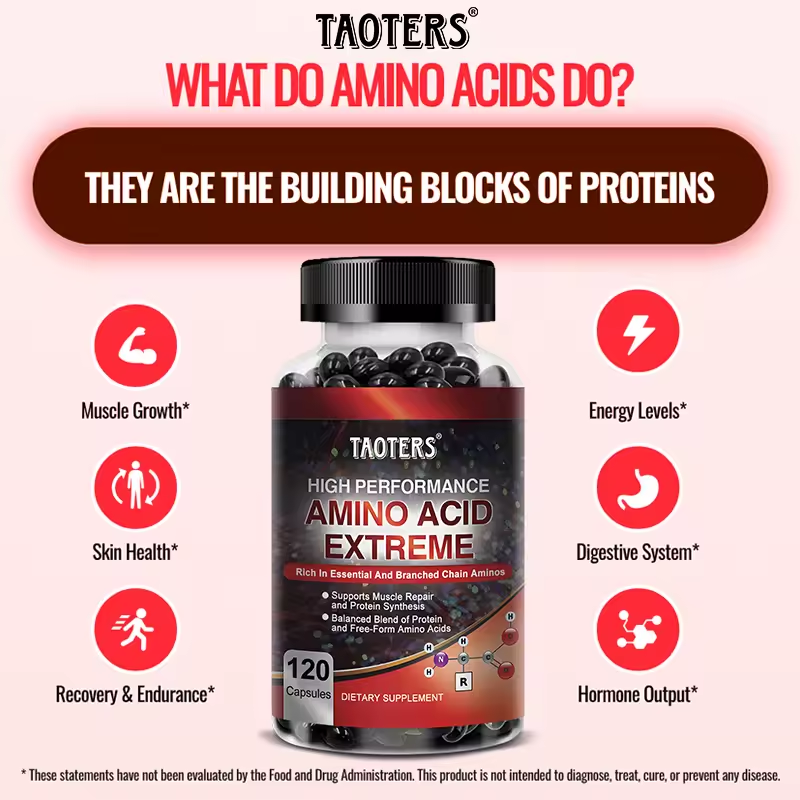
Amino acids are basic molecules that are important in many physiological processes. They are the building blocks of protein, which is essential for the structure and function of all living cells. In this article, we will give you an in-depth look at amino acids, their types, functions, food sources, and the importance of amino acids to human health.
Understanding amino acidsAmino acids are organic molecules made up of carbon, hydrogen, oxygen, nitrogen, and sometimes sulfur. The core carbon atom (α-carbon) of each amino acid is joined into four groups: a hydrogen atom, a carboxyl group (-COOH), and an amino group (-NH2). and a particular side chain (R group) that establishes its special characteristics.
Amino acid classification
Based on their nutritional requirements and the body's capacity to produce them, amino acids are categorized as follows:
Essential amino acids: They cannot be synthesized by the human body. and needs to be acquired through food. These are the nine essential amino acids:
1. Histidine: Essential for the development and maintenance of tissue. Participating in the synthesis of histamine The immunological response, digestion, sleep, and sexual function all depend on this neurotransmitter.
2. Isoleucine: Contributes to the metabolism of muscles. function of the immune system Energy regulation and hemoglobin synthesis
3. Leucine: necessary for the production of proteins. Blood sugar regulation, wound healing, and muscle repair
4. Lysine: involved in the synthesis of enzymes and hormones. Absorption of calcium and immune system function
5. Methionine: Vital for the development of tissue. Detoxification, metabolism, and absorption of essential minerals like zinc and selenium.
6. Phenylalanine: Precursor for neurotransmitters such as dopamine, epinephrine, and norepinephrine; involved in the production of other amino acids.
7. Threonine: Crucial for collagen and elastin formation, fat metabolism, immune function, and blood clotting.
8. Tryptophan: Maintains nitrogen balance and is a precursor to serotonin, influencing mood, appetite, and sleep.
9. Valine: Involved in muscle growth, tissue regeneration, and energy production.
Non-Essential Amino Acids
These can be synthesized by the body and include: * Alanine *Arginine * Asparagine * Aspartic acid * Cysteine * Glutamic acid * Glutamine o Glycine o Proline * Serine * Tyrosine Some non-essential amino acids are considered conditionally essential, meaning they become essential under certain conditions such as illness or stress. These include arginine, cysteine, glutamine, tyrosine, glycine, ornithine, proline, and serine.
Functions of Amino Acids Amino acids are involved in a multitude of physiological processes:
• Protein Synthesis: They combine to form proteins, which are essential for cellular structure, function, and regulation of tissues and organs.
• Enzyme Production: Many enzymes are proteins that catalyze biochemical reactions, and amino acids are their building blocks.
• Neurotransmitter Synthesis: Certain amino acids act as precursors to neurotransmitters, influencing mood, sleep, and cognitive functions.
• Immune Function: Amino acids contribute to the development and function of the immune system.
During prolonged exercise or fasting, amino acids can be used as an energy source.
• Metabolic Regulation: They play roles in various metabolic pathways, including the synthesis and breakdown of glucose and lipids.
Dietary Sources of Amino Acids To ensure an adequate intake of essential amino acids, it is important to consume a balanced diet that includes
• Animal-based proteins: Such as meat, poultry, fish, eggs, and dairy products, which provide all essential amino acids in sufficient quantities?
• Plant-Based Proteins: Including legumes, nuts, seeds, and whole grains. While some plant proteins may lack one or more essential amino acids, consuming a variety of plant-based foods can provide a complete amino acid profile. Diagram: Amino Acid Structure To illustrate the general structure of an amino acid, consider the following diagram: This diagram represents the central carbon atom bonded to an amino group, a carboxyl group, a hydrogen atom, and a variable side chain that defines the specific amino acid.
Importance of Amino Acids in Health Adequate intake of amino acids is vital for
• Muscle Maintenance and Growth: Essential for athletes and individuals engaged in regular physical activity.
• Tissue Repair and Wound Healing: Crucial for recovery from injuries and surgeries.
• Hormone and Enzyme Production: Necessary for metabolic processes and homeostasis.
• Immune System Support: Enhances the body's ability to fight infections.
• Neurological Functions: Influences mood, sleep patterns, and cognitive abilities.
Conclusion
Amino acids are indispensable to human health, serving as the foundational elements of proteins and participating in numerous physiological functions. A balanced diet rich in diverse protein sources ensures the adequate intake of both essential and non-essential amino acids, supporting overall well-being and optimal bodily function.
• Metabolic Regulation: They play roles in various metabolic pathways, including the synthesis and breakdown of glucose and lipids.
Dietary Sources of Amino Acids To ensure an adequate intake of essential amino acids, it is important to consume a balanced diet that includes
• Animal-based proteins: Such as meat, poultry, fish, eggs, and dairy products, which provide all essential amino acids in sufficient quantities?
• Plant-Based Proteins: Including legumes, nuts, seeds, and whole grains. While some plant proteins may lack one or more essential amino acids, consuming a variety of plant-based foods can provide a complete amino acid profile. Diagram: Amino Acid Structure To illustrate the general structure of an amino acid, consider the following diagram: This diagram represents the central carbon atom bonded to an amino group, a carboxyl group, a hydrogen atom, and a variable side chain that defines the specific amino acid.
Importance of Amino Acids in Health Adequate intake of amino acids is vital for
• Muscle Maintenance and Growth: Essential for athletes and individuals engaged in regular physical activity.
• Tissue Repair and Wound Healing: Crucial for recovery from injuries and surgeries.
• Hormone and Enzyme Production: Necessary for metabolic processes and homeostasis.
• Immune System Support: Enhances the body's ability to fight infections.
• Neurological Functions: Influences mood, sleep patterns, and cognitive abilities.
Conclusion
Amino acids are indispensable to human health, serving as the foundational elements of proteins and participating in numerous physiological functions. A balanced diet rich in diverse protein sources ensures the adequate intake of both essential and non-essential amino acids, supporting overall well-being and optimal bodily function.





0 Comments